


Electric train EN57
Issued in 1961-1993 years. Built 1412 compositions.


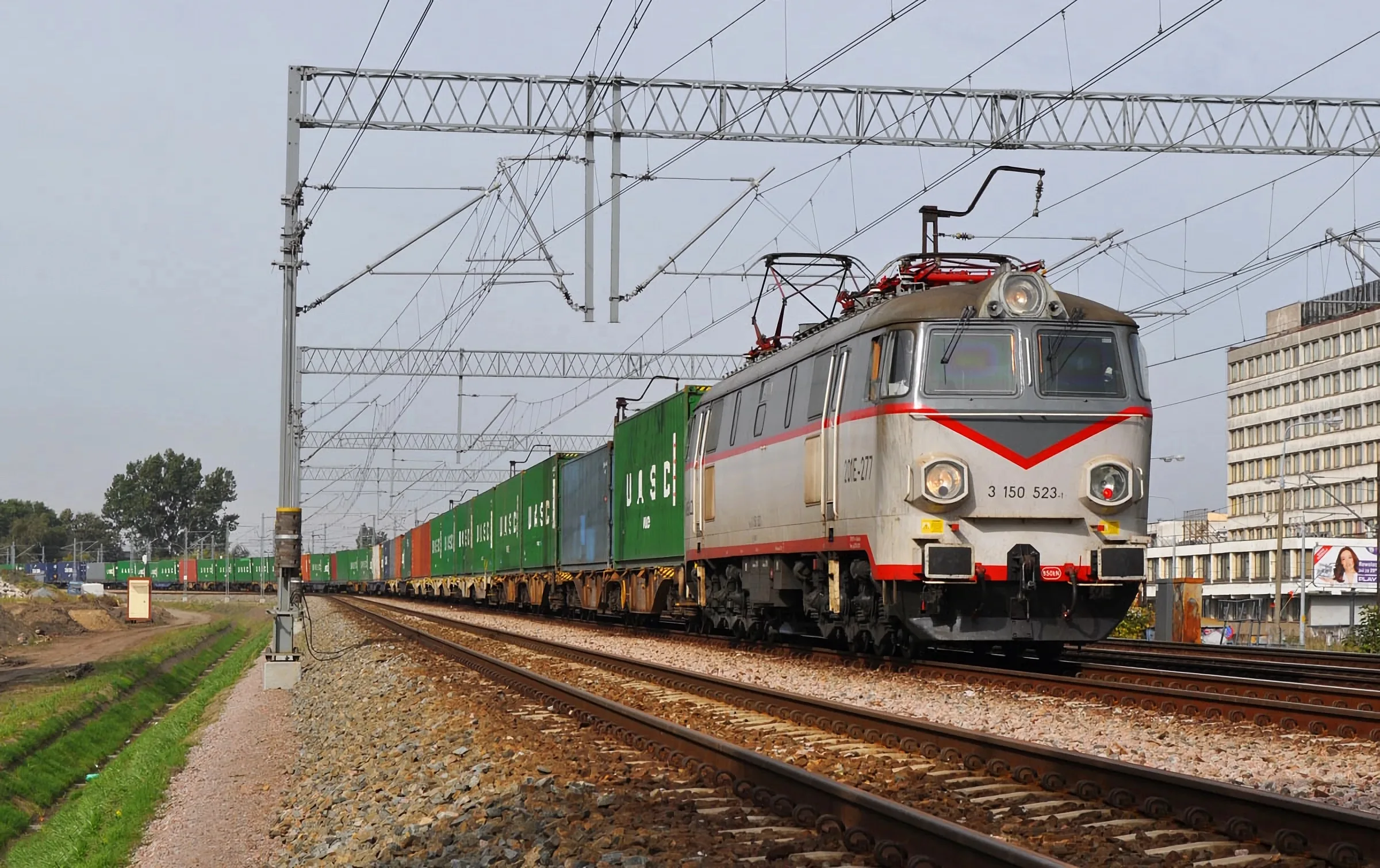
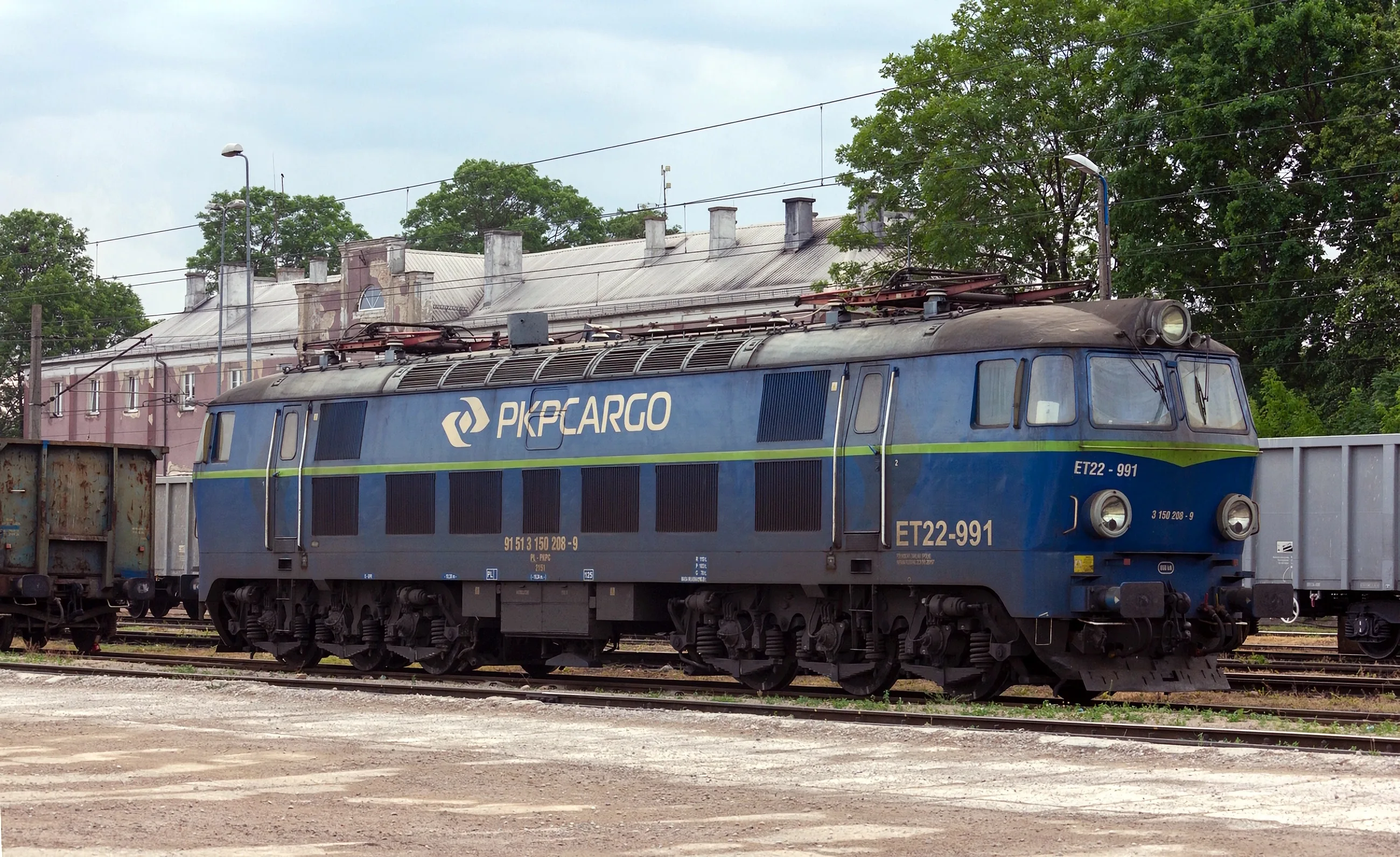
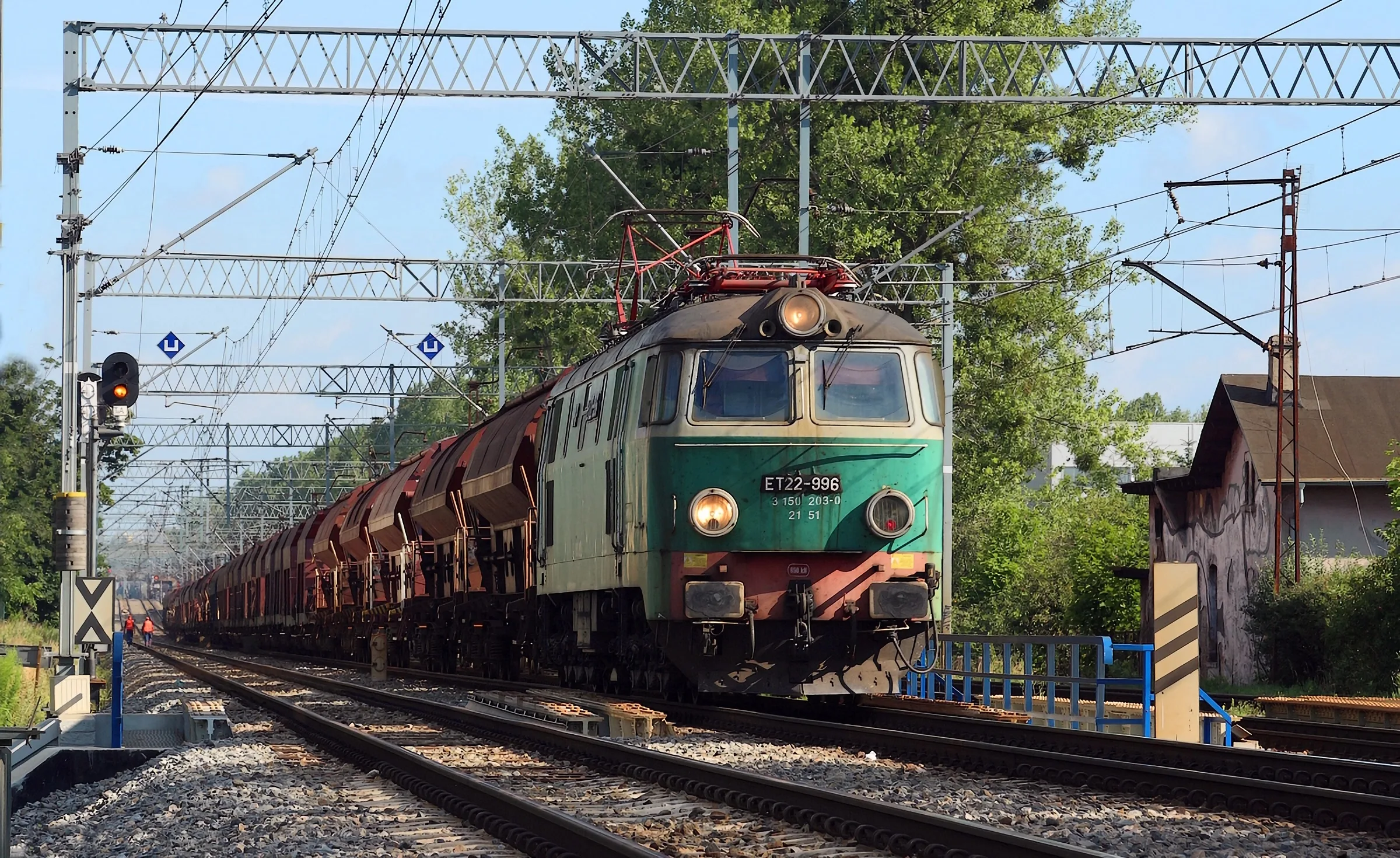
ET22 – Eelectric Torange (Yeelectric train Gpink), type - 22. Issued in 1969-1989 years on Pafawag. Built 1197 electric locomotives.
ET22 is a DC freight-passenger electric locomotive of the Polish State Railways (PKP). An electric locomotive can drive a freight train 2700 tons at speed 80 km/h or passenger from 12 carriages (700 tons) at speed 125 km/h. In the 1960s, Poland actively electrified its railways, and the country needed powerful electric locomotives. ET21, which was released with 1957 year, could not fully satisfy these needs due to its low power. They were used in conjunction with 2 sections, creating an even greater shortage of locomotives.
The first electric locomotive ET22 was manufactured in 1969 year. After successful testing and additional design development in 1971 mass production began at the Pafawag plant in Wroclaw (floor. Wrocław). ET22 is equipped with Oerlikon automatic brakes and a direct-acting brake. Many components and elements from the electric locomotive were used in the construction and design of electric locomotives EU07, including traction motors.
In 1973 an electric locomotive was built at design speed 160 km/h, which received the designation EP23, which provided experience in the development of high-speed rail transport in Poland. More 5 electric locomotives with side numbers 093, 165, 202, 592 and 1118 modernized and operated in Slovakia. This required replacing the copper inserts on the pantographs with graphite ones..
In 1977 year manufactured 2 modernized electric locomotive, both could be controlled from the same cockpit (analogue of the Russian CME). However, these locomotives never worked together, since their high total power exceeded the capabilities of traction substations.
Polish drivers nicknamed the ET22 electric locomotive "bull" or "Helmut" (courageous or courageous) thanks to its power and reliability. One of the electric locomotives is in the railway museum of industry and railways in Jaworzyna Śląska, early locomotives have been written off and about half of the series continue to operate in Poland.


 Open our Telegram chat
Or find a group @railtrain_chat


