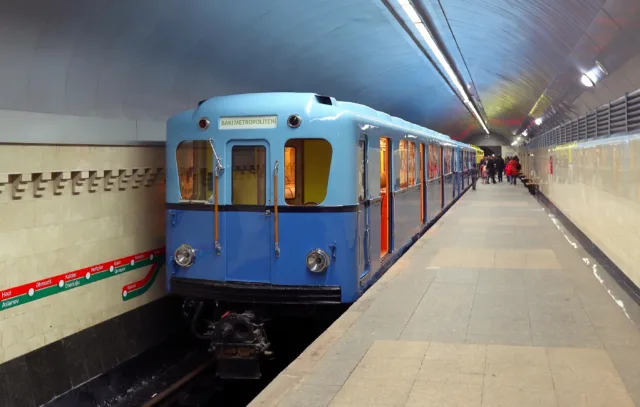
Steam locomotive A
Issued in 1892-1907 years. Built 533 locomotive.

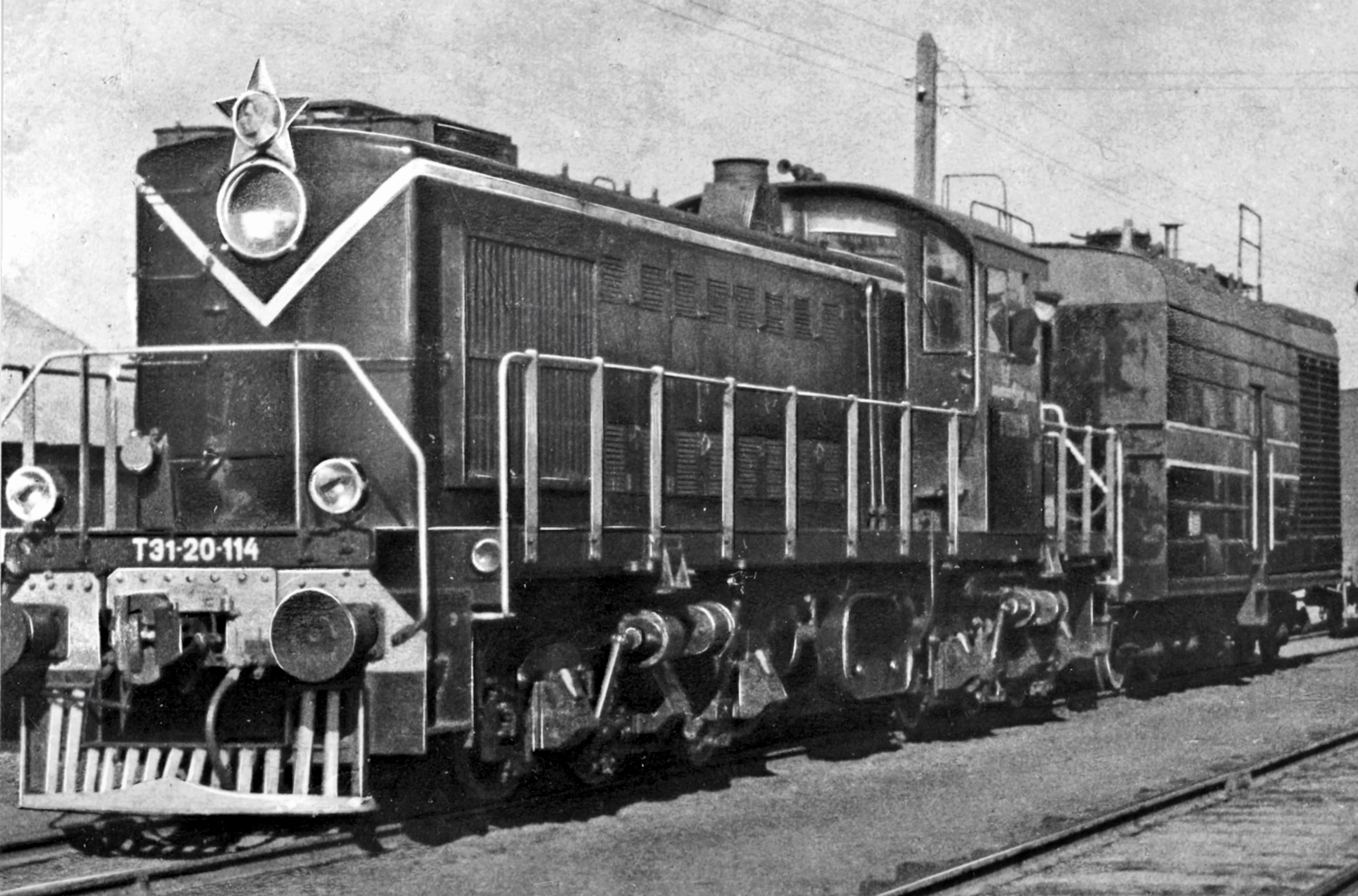
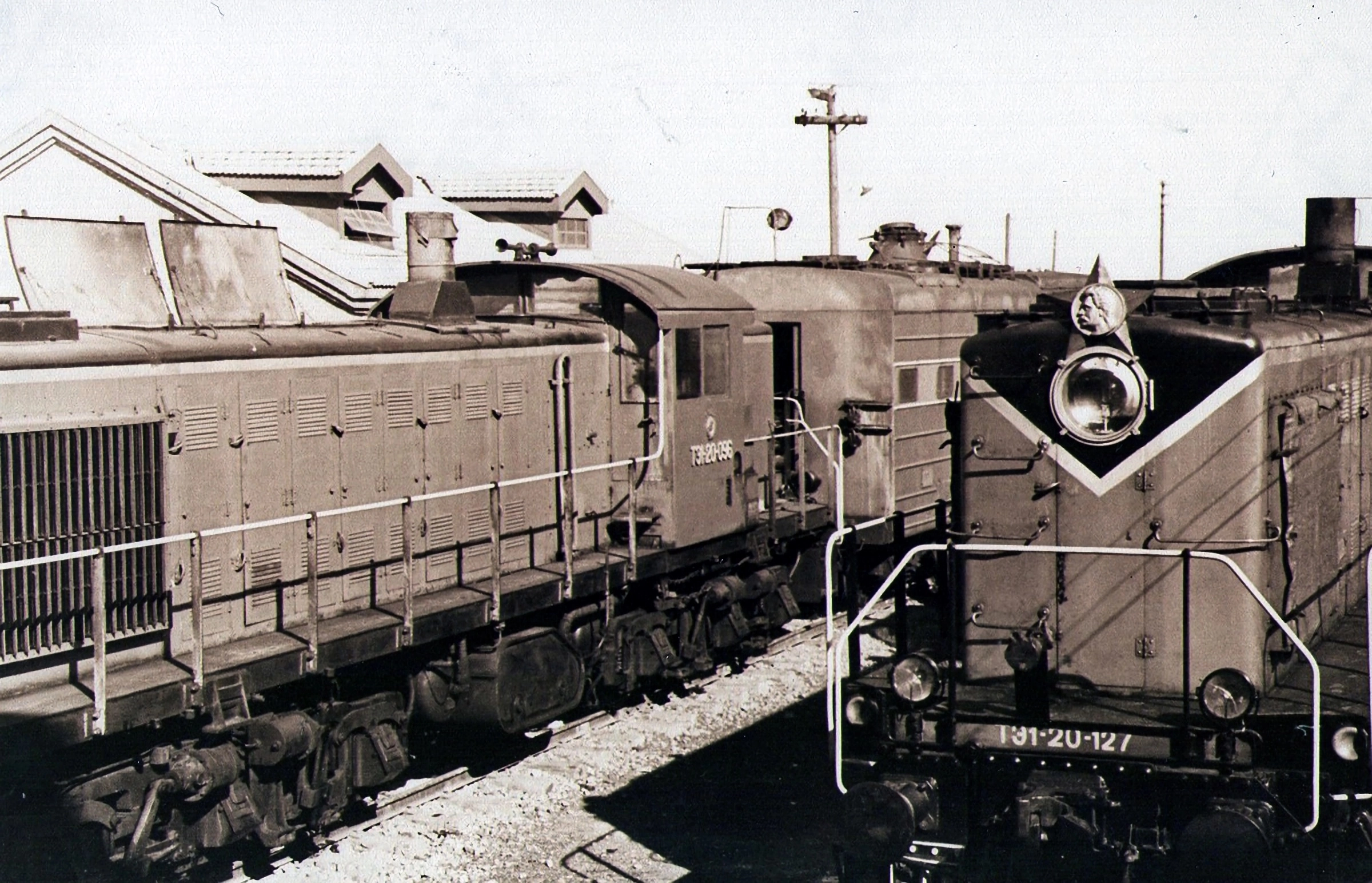
TE1G – Teplovoz s Yeelectric transmission, type - 1, with Ggas generator unit. Issued in 1950-1954 years on Dynamo, Ulan-Ude Locomotive Car Repair Plant and Kharkov Transport Engineering Plant. Built 16 diesel locomotives.
TE1G – experimental series of diesel locomotives, created in the USSR by converting serial TE1 for operation on solid fuel (anthracite) using a gas generator. The idea was born out of practical necessity: in the first decades of the mass transition to diesel traction, oil reserves and refining were still limited, and the demand for motor fuel grew. The gas generator route promised to reduce liquid fuel consumption and use the available coal resource.
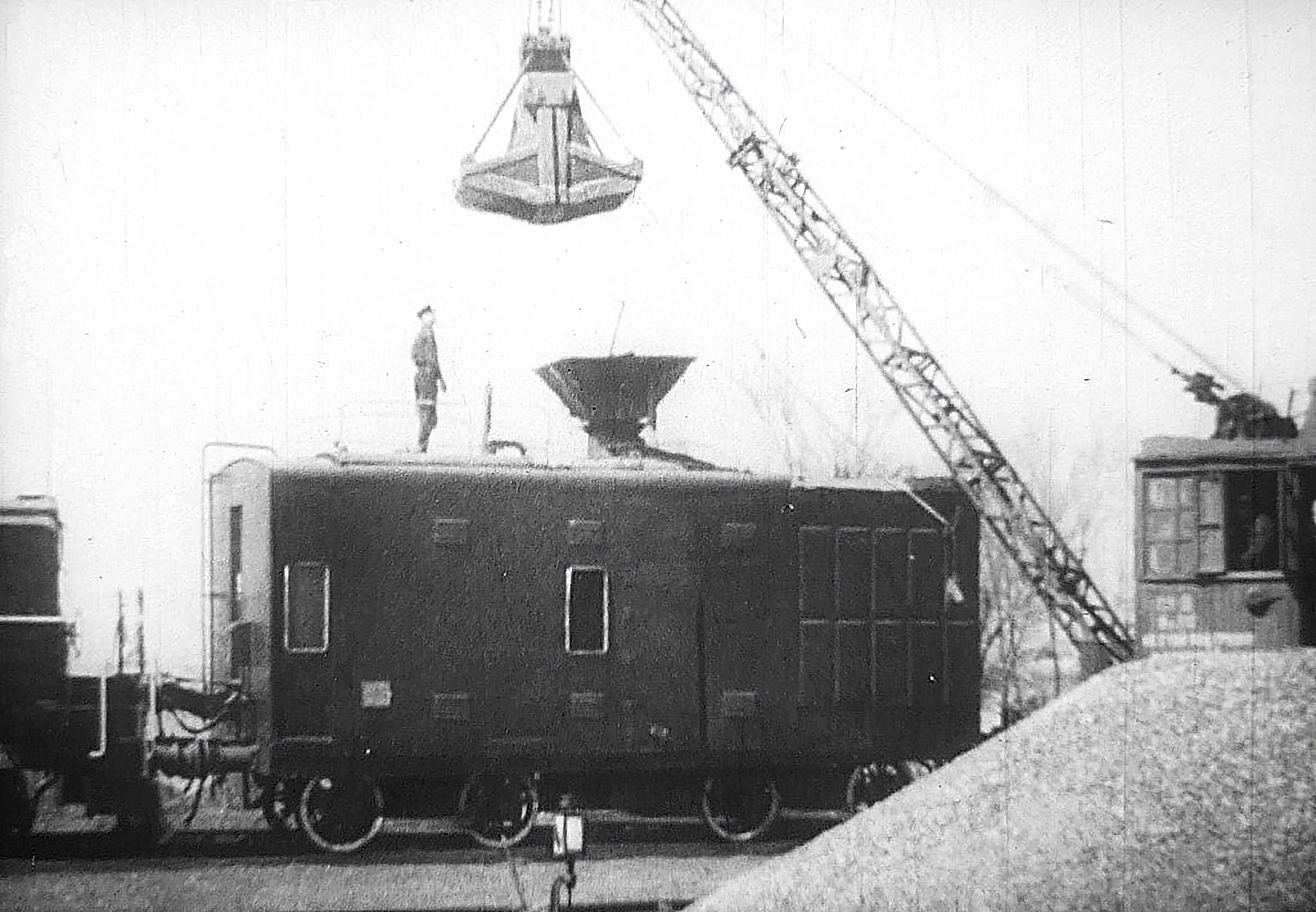
To accommodate the gas generator, a special four-axle section car with a length of 12,1 m and mass 70 T, resting on two cargo trolleys. In 1950-1951 years. The Central Research Institute developed and installed the installation on TE1‑20‑187 - this is how the first TE1G‑20‑187 appeared. During bench and field tests at the Verkhniy Baskunchak depot, the locomotive showed an efficiency of the order of magnitude 14-16% and reduced liquid fuel consumption to 25-30% from usual TE1, what was considered satisfactory. According to projects and alterations of the Ulan-Ude plant to 1954 year was converted into gas generators in total 16 diesel locomotives.
Advantages were found in operation: in certain modes TE1G saved equivalent fuel compared to steam locomotives and made it possible to estimate the real consumption parameters of diesel engines when operating on a gas/liquid mixture.
Critical shortcomings appeared in real operation: it was difficult to maintain stable operation of the gas generator and diesel engine, due to which the share of liquid fuel increased to 35-40%; Cruising range without replenishing fuel and water was reduced to ~500 km (against 1200 km for standard TE1). The main problem is coal dust in gas: it abrasively wore out the cylinder liners and valves, contaminated the oil, damaged crankshaft journals and caused corrosion of gas paths. This seriously deteriorated the reliability and service life of diesel engines..
K 1958-1959 years. most TE1G were either returned to the original version TE1, or laid off from work. Nevertheless 2 The locomotive was sent to China for joint testing; one, according to their results, remained on Chinese roads under the designation NDQ‑1. In parallel, by the mid-50s, the USSR was establishing oil production and refining, as well as diesel fuel logistics, which made the mass use of gas generators economically irrelevant.
L – a locomotive, T – tender

 Open our Telegram chat
Or find a group @railtrain_chat