


Electric locomotive TRAXX S250MSP
Available with 2006 year. Built 90 electric locomotives.


ICM – InterCity Mmaterial - MezhduGbeautiful Prolling stock. Issued in 1977-1993 years on Bombardier Transportation and Talbot. Built 144 composition.
The ICM Koploper series of electric trains was put into operation in 1977 year. These trains were formed from 3-4 cars and could work in several coupled trains. The head cars were equipped with an innovative system of passages for passengers under the cabins, and the cabins themselves rose above the roof of the car body. However, due to the complex design and high maintenance costs, the intercompartment transitions were welded in October 2005 years and dismantled in 2006 year.
First 7 prototypes (numbers 4001-4007) built by Talbot in the German city of Aachen and received the ICM index-0 to differentiate from production models. Initially these trains were operated on the Eindhoven – Venlo route, specially prepared for speeds up to 160 km/h. Later they were transferred to the route Amsterdam - Nijmegen.
In 1983-1990 years, three-car trains were built (numbers 4011-4097) and in 1990-1994 years four-car trains (4201-4250). Prototypes are partially recycled in 2003 year, but some were used as training facilities for fire and police services. In 2005-2011 large-scale modernization began:
Electric trains ICM (and ICMm) for a long time remained one of the most comfortable in the Dutch park, especially on routes between Randstad and the northern/eastern regions of the country. At first 2022 year, the process of decommissioning these trains began, and to 2030 they are planned to be completely written off. 14 June 2024 year's oldest composition (4011) transferred to the Netherlands Railway Museum in Utrecht.
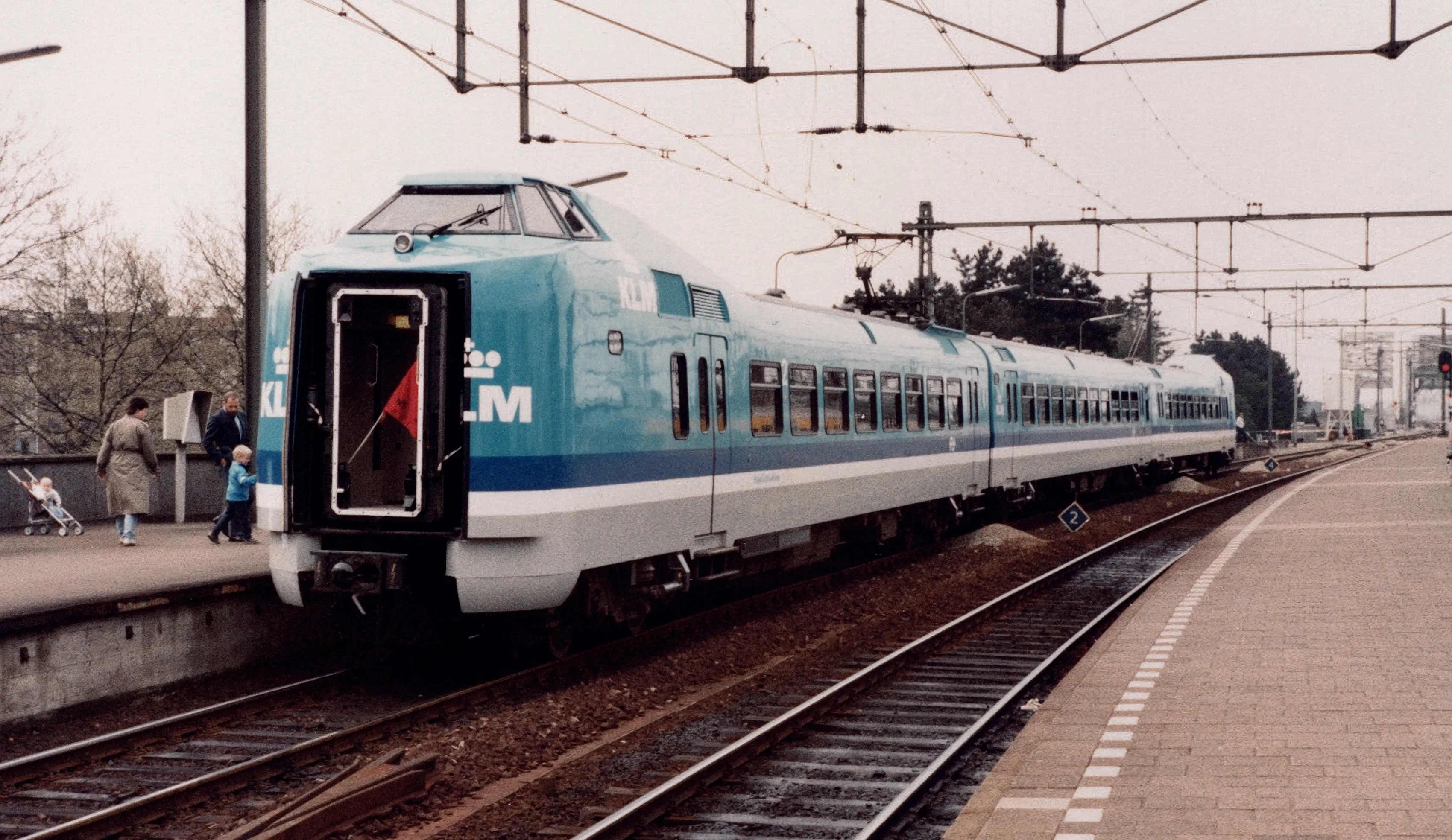
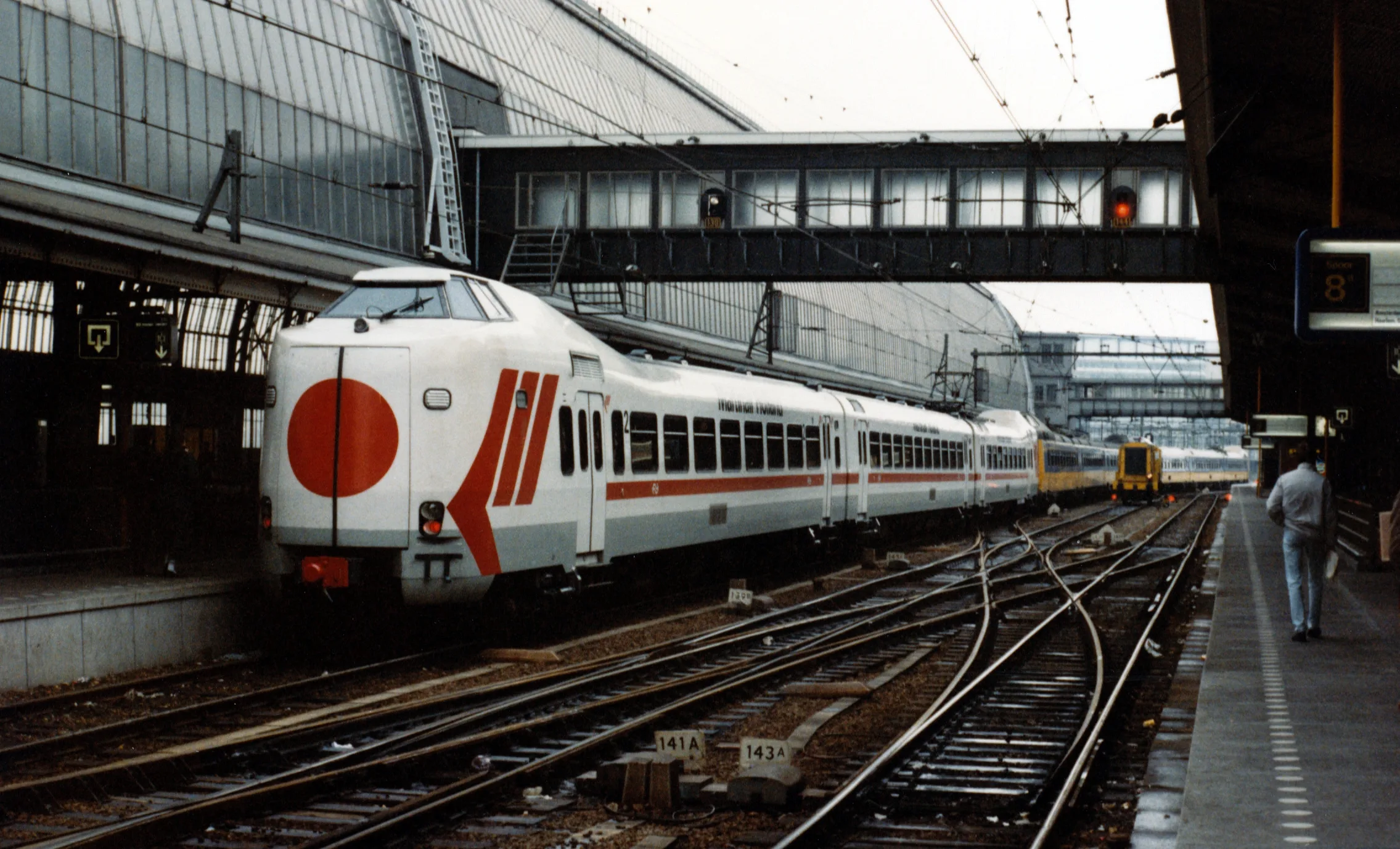
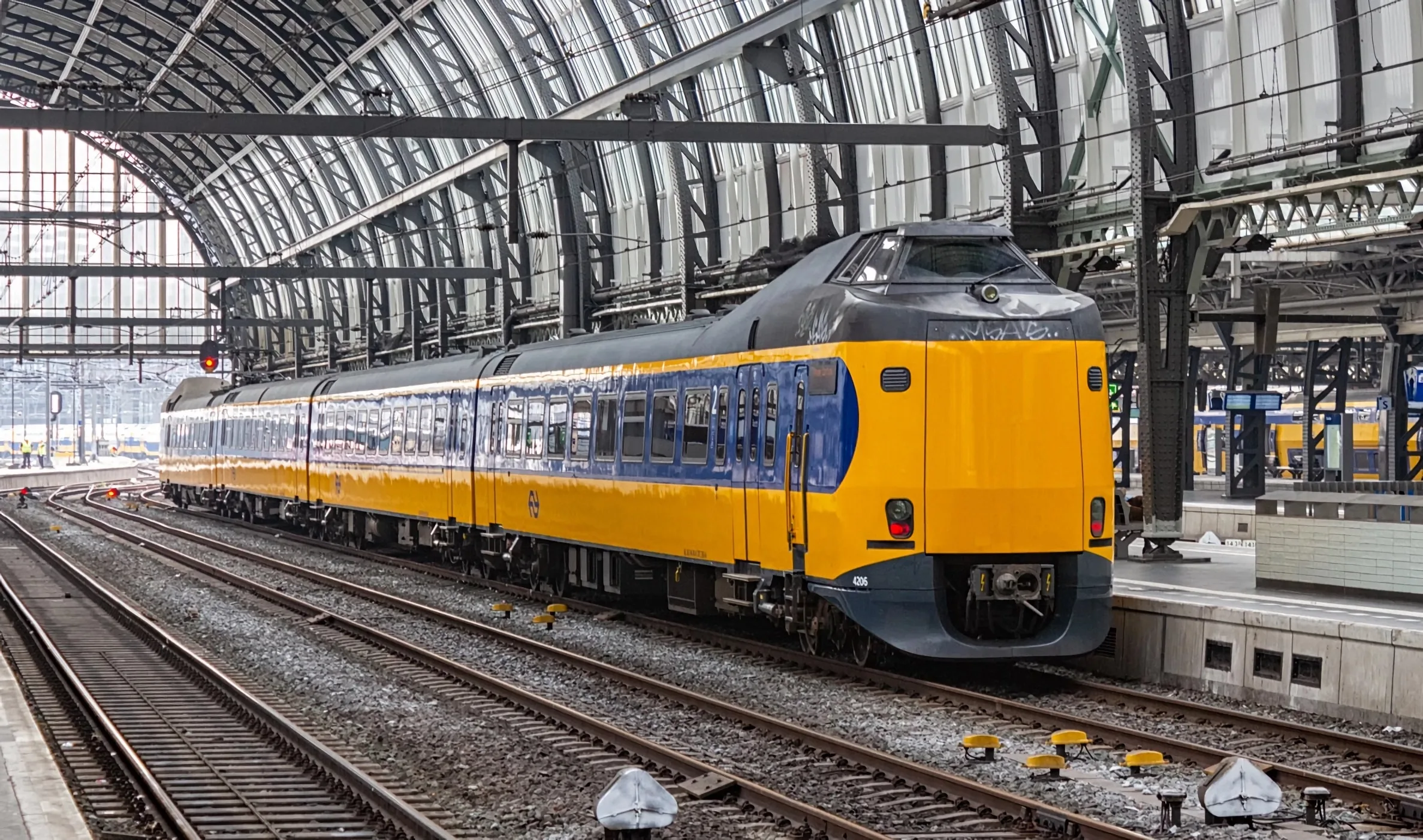
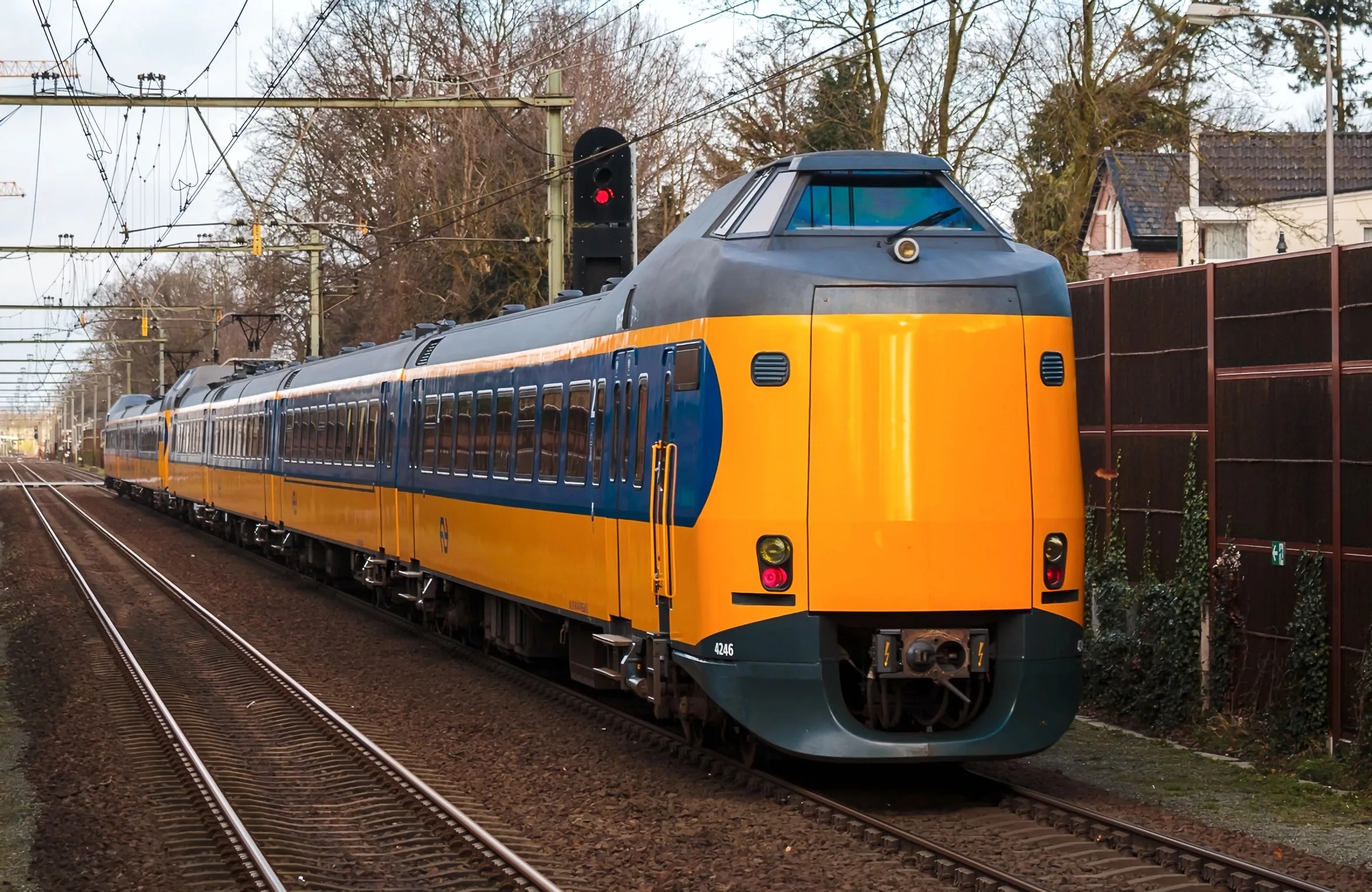
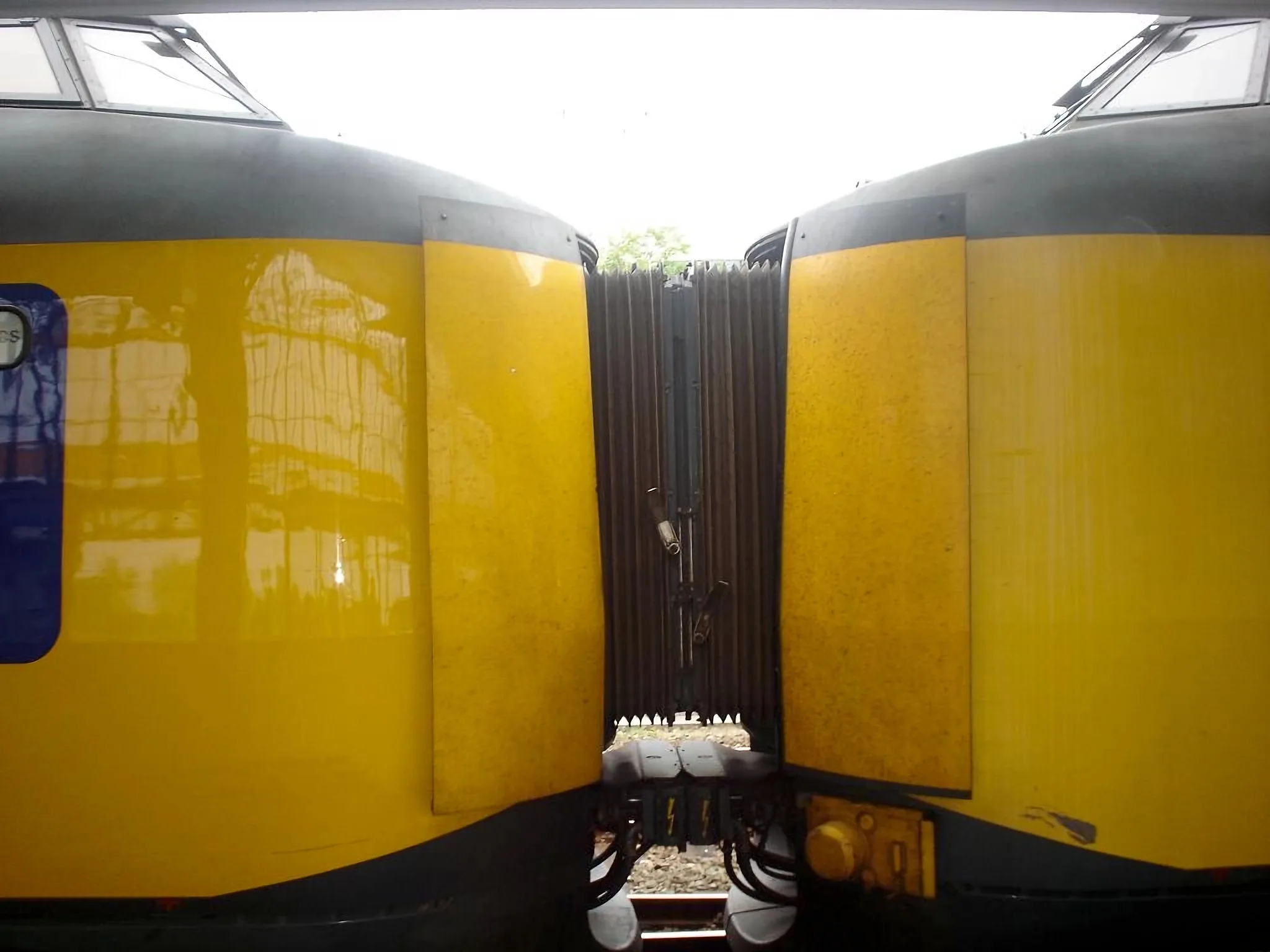
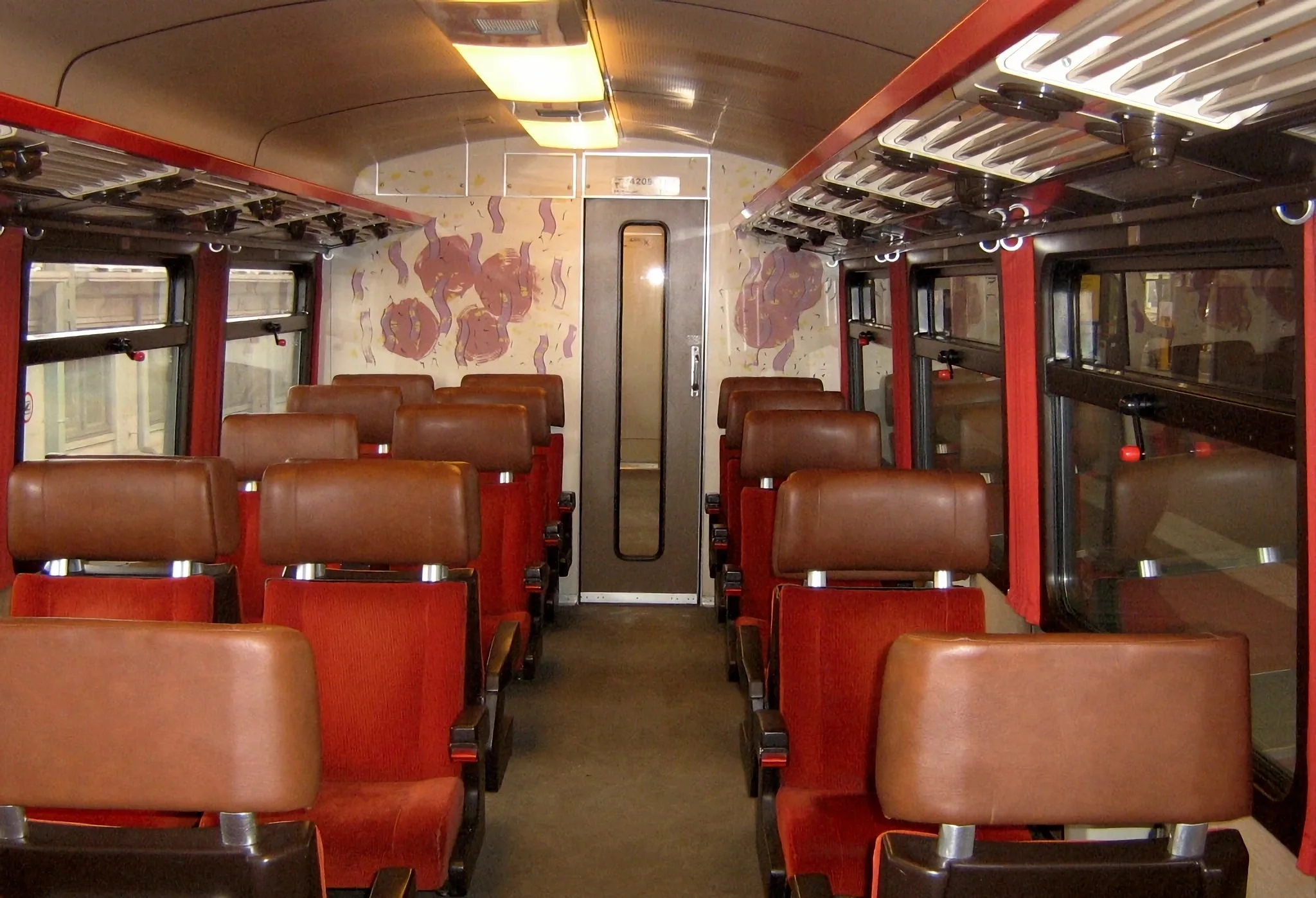
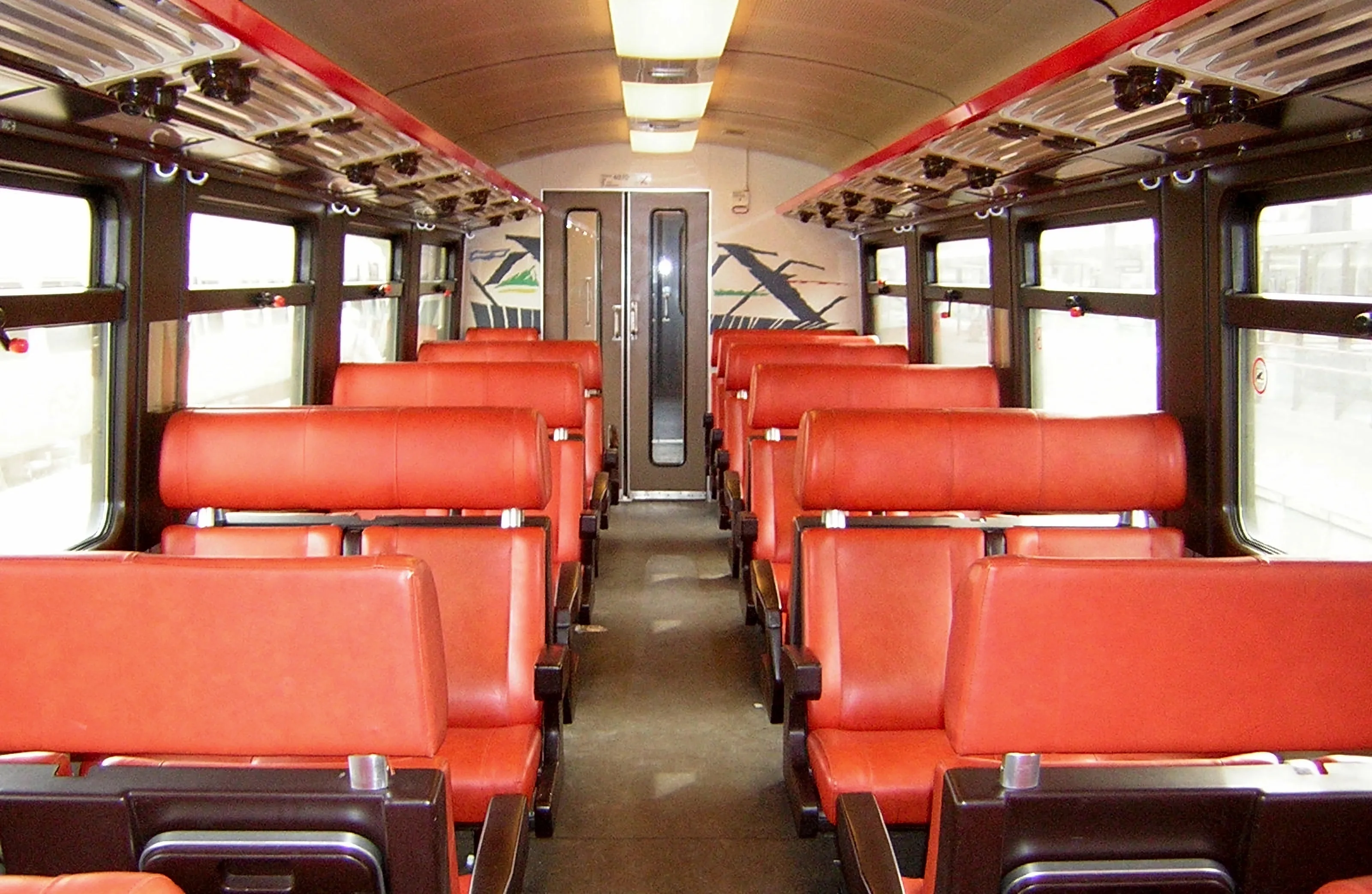
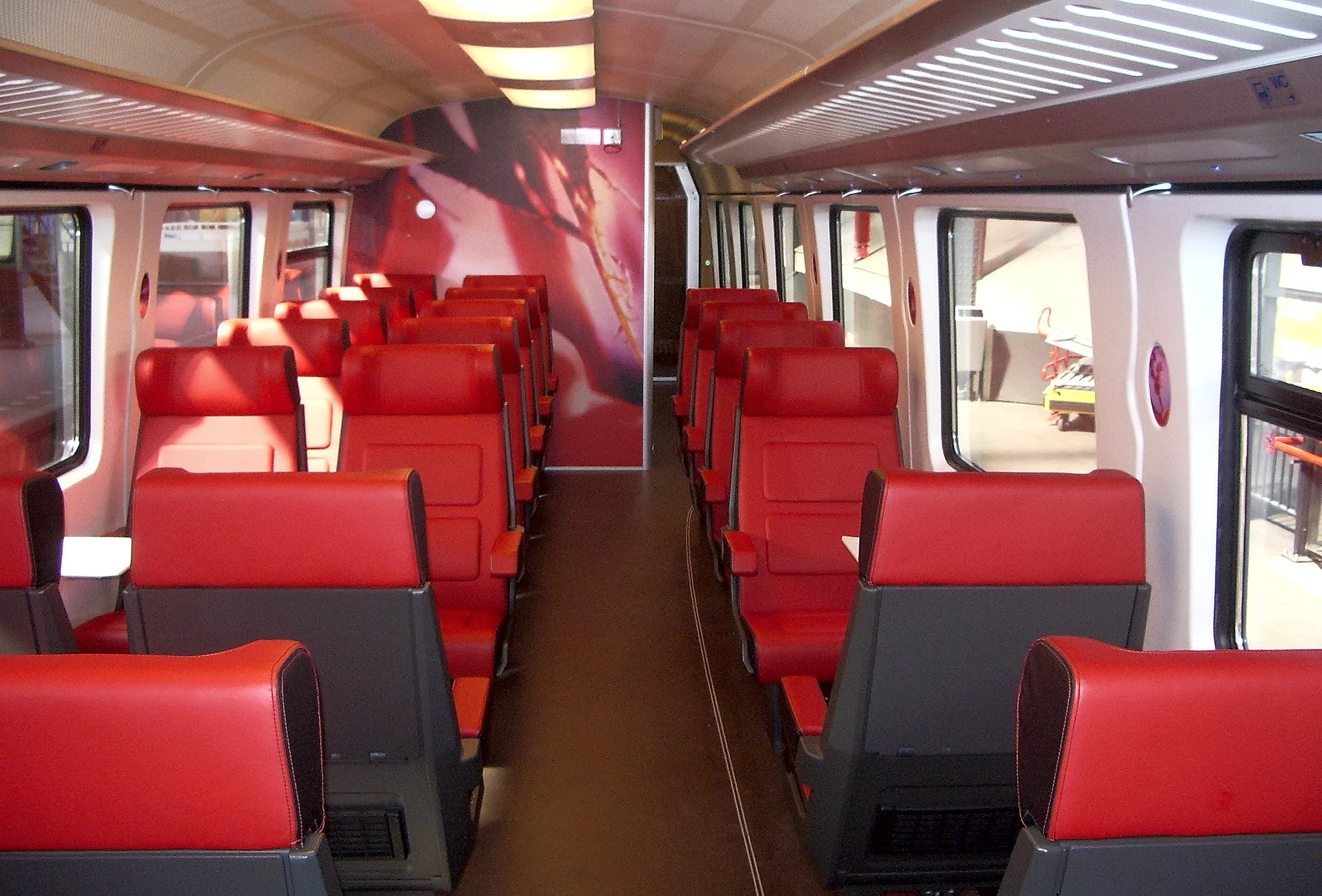
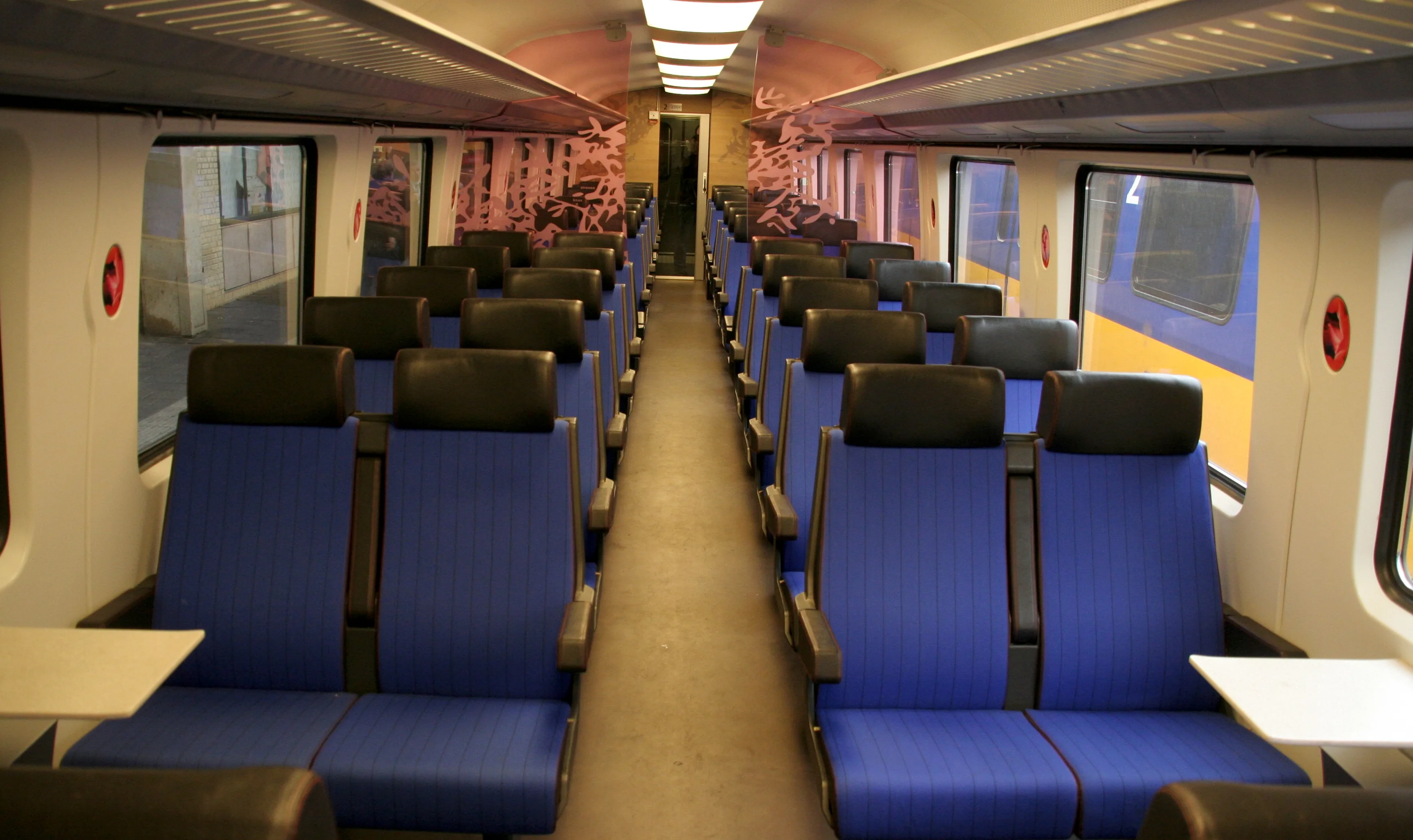
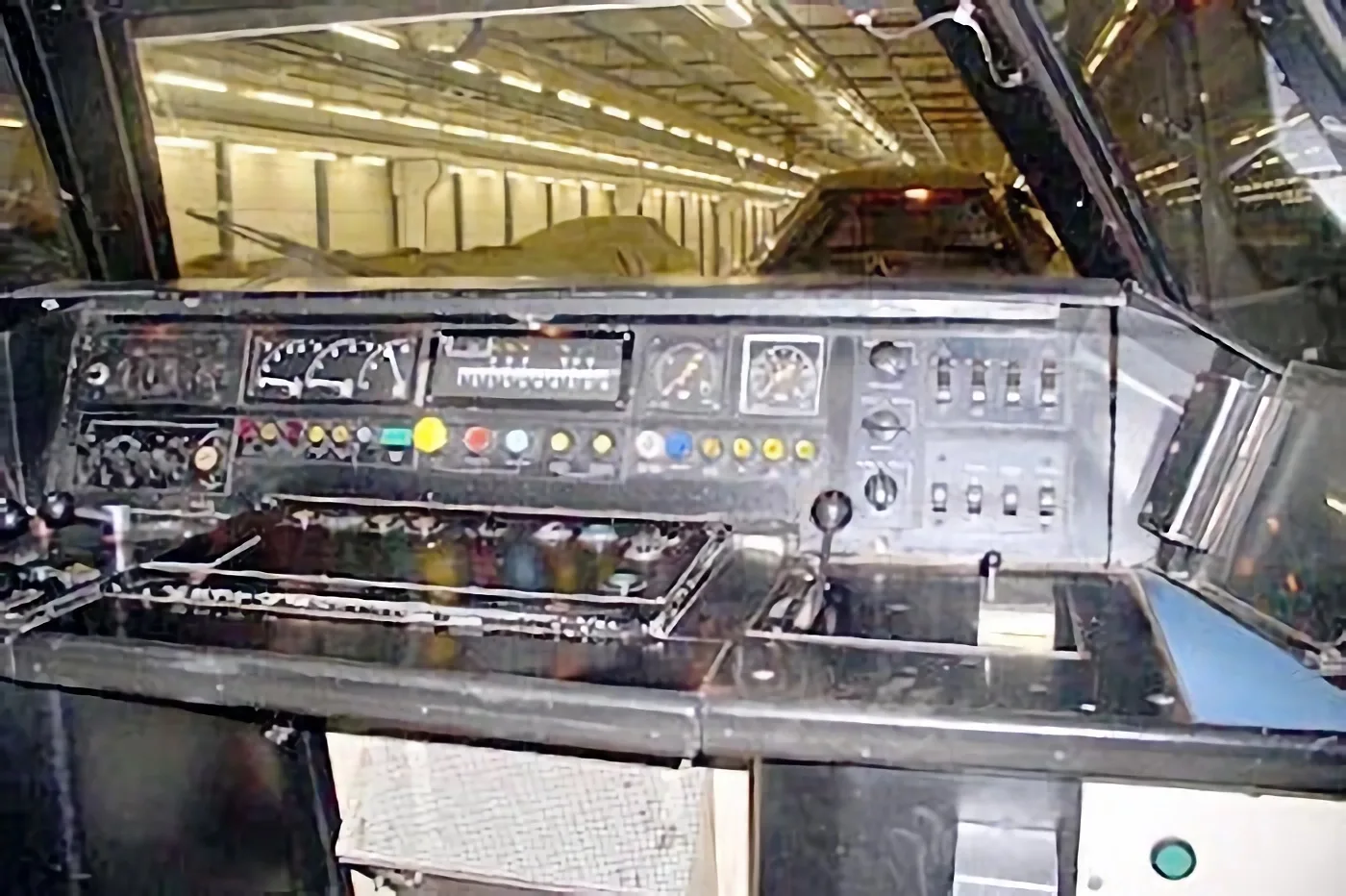
G – head-motor, P – intermediate-trailer, 1 – numbering 40хх, 2 – numbering 42хх
 Open our Telegram chat
Or find a group @railtrain_chat

Available with 2006 year. Built 90 electric locomotives.

Issued in 1998-2006 years. Built 12 electric locomotives.

Issued in 1997-2003 years. Built 26 compositions.

Issued in 1997-1999 years. Built 20 compositions.
