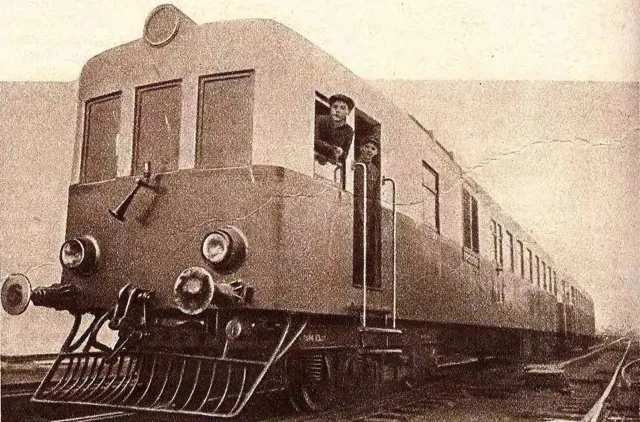
Locomotive 3TE30G
Available with 2026 year. Under construction 1 diesel locomotive.


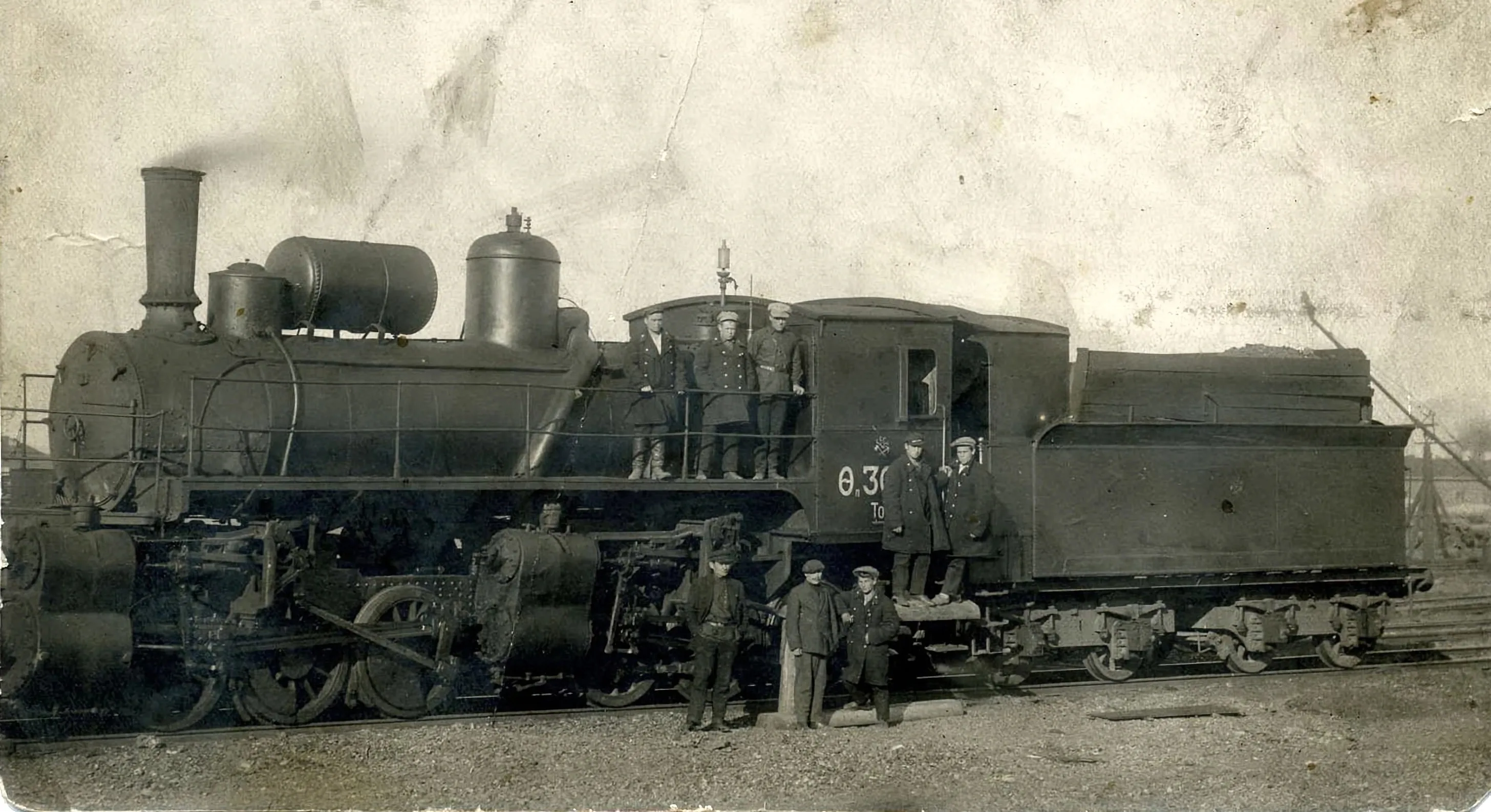
Ѳ - freight locomotive, type - Ѳ (fit). Issued in 1899-1924 years on Bryansk Machine-Building Plant, Kirov plant and Kolomna plant. Built 463 locomotive.
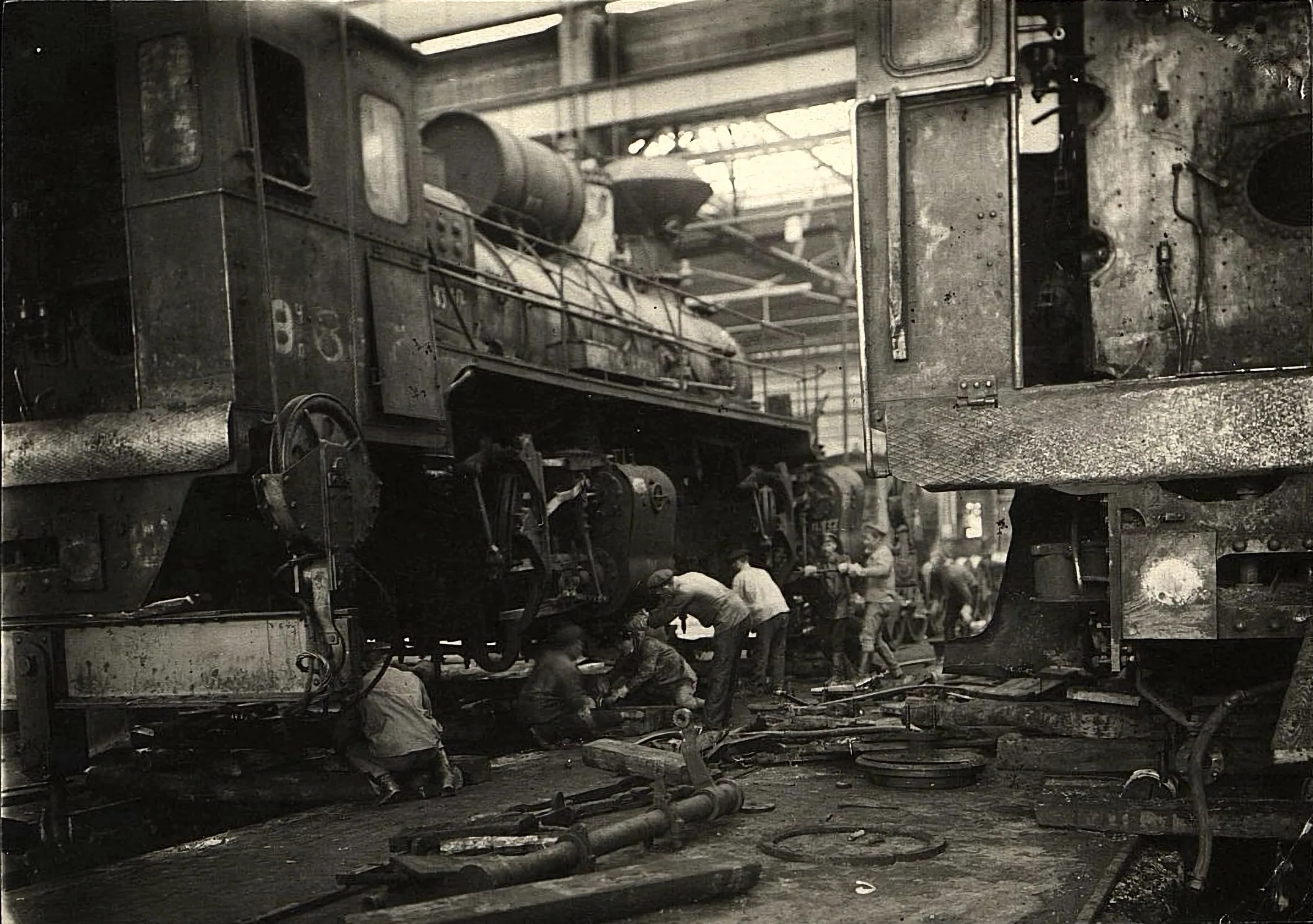
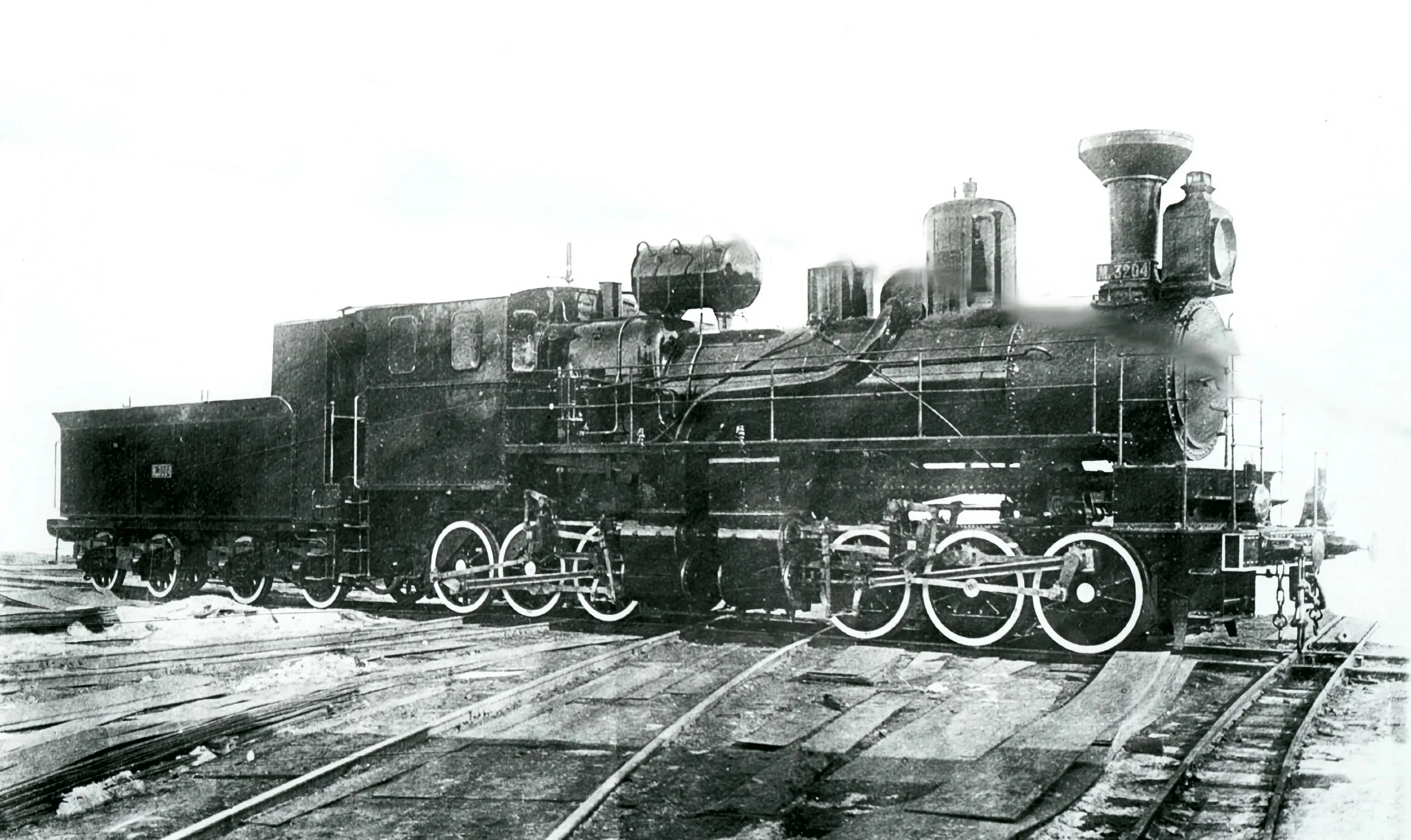
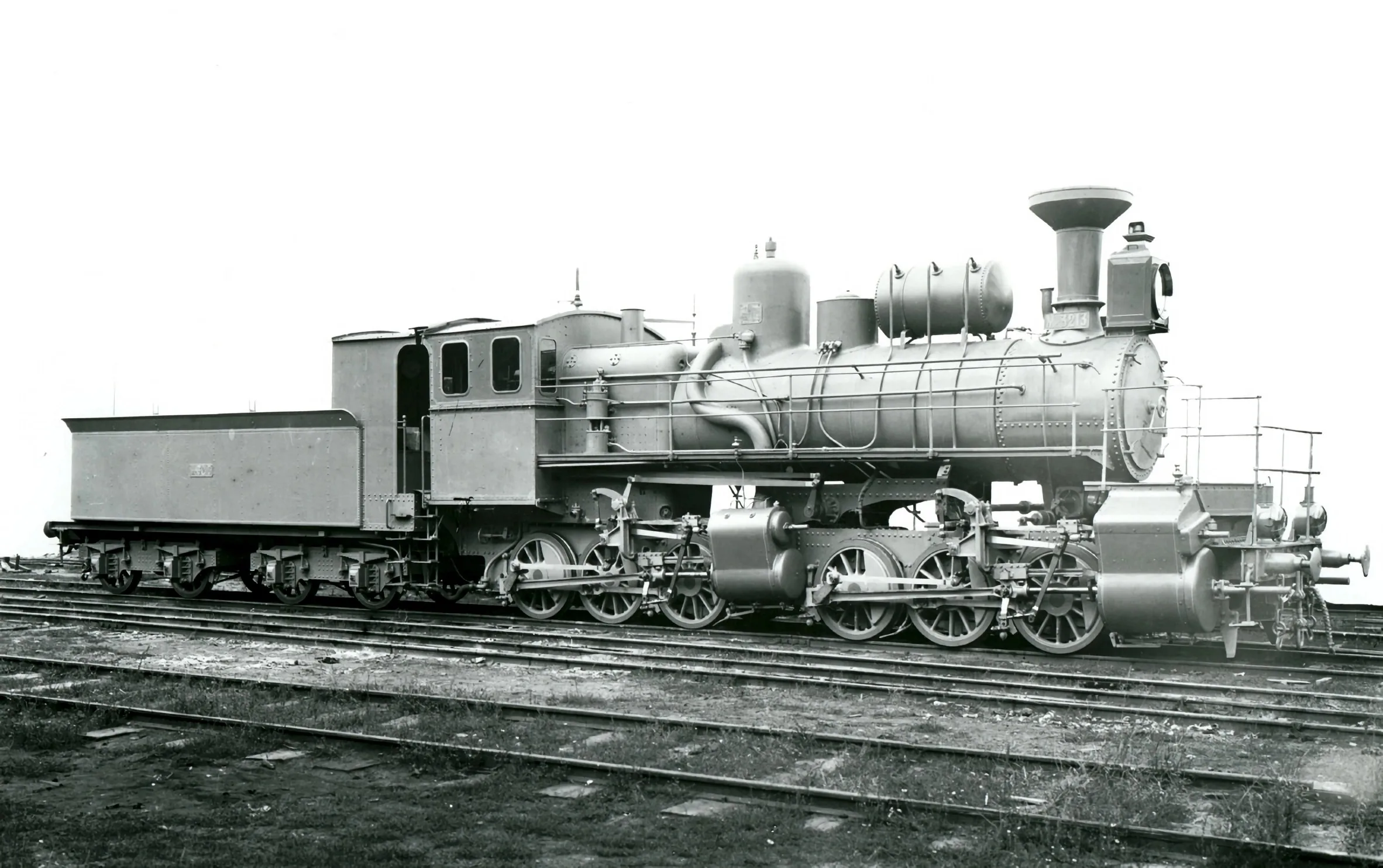
Steam locomotive (Fita) is a freight locomotive of the type 0-3-0+0-3-0 (of the Malle system), which was mass-produced from 1899 by 1924 years at three Russian locomotive factories. Its history begins with the opening of train traffic on the single-track line Ryazan - Ruzaevka - Sviyazhsk of the Moscow-Kazan Railway Company in 1893 year. Already by 1897 traffic on this line has become so intense, what types of locomotives 0-3-0 and 0-4-0 couldn't cope with cargo turnover. It was necessary to build 2 path, or use heavy rails and move to steam locomotives with higher axle loads.
However, railway traction service engineer Noltein E.E.. suggested another option: without changing the axial load, increase the adhesion weight by increasing the number of driving wheelsets. To better fit the locomotive into the curves, the Mallet scheme was proposed, which by that time had proven itself well in Switzerland.
Engineer Mallett's idea was to divide the moving wheel sets of a steam locomotive into two groups. Only the front group had a rotating cart, and the rear one was in the main frame of the locomotive and did not rotate relative to the axis of the boiler. This made the steam locomotives of the Mallet system "semi-flexible", to accommodate high pressure cylinders in a fixed frame, and the low pressure cylinders in the rotating trolley. This facilitated the working conditions of the steam pipe seals, which were one of the weakest points of articulated locomotives.
First 10 Fita articulated steam locomotives built in 1899 year Bryansk plant and entered the Ruzaevsky traction section of the Moscow-Kazan railway. They were given the designation series H, apparently, surname Nolteyna. In the same year, the Bryansk plant produced another 10 steam locomotives for the Central Siberian Railway under the Mr series. One of the locomotives, built by the Bryansk plant in 1899 year, exhibited in 1900 year at the Paris World Exhibition and was recognized as the strongest among the presented locomotives.
In 1902 year, the Ministry of Railways ordered articulated steam locomotives from the Putilov plant for the eastern sections of the Siberian Railways. Putilovsky plant completed detailed design, making the main parameters and structural elements different from the steam locomotives of the Bryansk plant. In 1904 year 4 articulated steam locomotive produced by Kolomna Machine-Building Plant, who also made his own changes to the design.
In 1912 year, all previously built steam locomotives of the Mallet system were given the designation series Θ (Fita). Steam locomotives of the Bryansk plant with numbers 921-950 assigned series designation ΘChB, to highlight the significant change in their design. Steam locomotives were operated on the lines Navtlugi - Alexandropol - Ulukhanlu - Yerevan and Ulukhanlu - Julfa. Between 1914 by 1917 years sent from Tomsk railway to Southern railways 25 steam locomotives. They served the Simferopol - Sevastopol section until the arrival of steam locomotives of the Flamm series system F.
In 1927-1928 years, all Θ series steam locomotives operating on the Moscow-Kazan railway were temporarily transferred to the Samara-Zlatoust railway, and then entered the Tashkent - Krasnovodsk and Kokand - Stalinabad lines. After the introduction of diesel locomotive traction on the Central Asian railway, Θ series steam locomotives began to give way to diesel locomotives and completed work with trains in 1936-1938 years.
Mostly steam locomotives were decommissioned in the 1920s and 1930s. The last section of their work was the Melnikov – Isfara – Shurab line of the Tashkent railway. Latest active No. 1009 and 3090 excluded from inventory in 1957 year on the Krasnoyarsk railway. Total built 463 steam locomotive type 0-3-0+0-3-0 Mallet systems; of which 33 Bryansky, 195 Putilovskim (Kirovsky) and 135 Kolomna Plants.
 Russia: East Siberian railway, West Siberian railway, Krasnoyarsk railway, Moscow railway
 Uzbekistan: Uzbek railway
 Open our Telegram chat
Or find a group @railtrain_chat